

The best Korean skincare routine for sensitive skin is minimal and gentle: a mild cleanser, a soothing hydrating toner, one calming serum, a barrier moisturiser and daily SPF. Introduce one product at a time, patch test everything, and avoid fragrance, essential oils and strong actives until your skin is calm and comfortable. Fewer, gentler steps almost always beat a long routine for reactive skin.
Key takeaways
- Sensitive skin reacts easily with redness, stinging, warmth or irritation, often to new products.
- Reactivity can be an ongoing trait or a sign of a temporarily compromised barrier. Calming and supporting the barrier helps both.
- Patch testing and adding one product at a time are the two most useful habits for sensitive skin.
- Fragrance, essential oils and strong actives are common triggers worth avoiding while your skin settles.
- This is general guidance for healthy sensitive skin, not a diagnosis of any skin condition.
Watch: a calming routine for stressed skin
This RuZu reel walks through a simple routine to help calm redness and reactive skin. Watch it, then use the steps below to build gently.
Video not loading? Watch it on Instagram.
Who this guide is for
This guide is for you if your skin often stings, flushes or reacts to new products. Please read the next part carefully. Sensitive skin is not the same as a diagnosed skin condition. If you have persistent redness, a rash, burning, swelling, blistering or a reaction that does not settle, please see a pharmacist, doctor or dermatologist. This article does not diagnose or treat conditions such as rosacea, eczema, psoriasis or allergies.
How to recognise sensitive skin
Sensitive skin reacts quickly. You might notice redness, a warm or stinging feeling, tightness or small bumps, often after trying something new. It can appear on its own or alongside dry, oily or combination skin.
Sensitivity versus a compromised barrier
Some people have naturally reactive skin. Others become temporarily sensitive when the skin barrier is compromised, for example after over-exfoliating, using too many actives, or a spell of harsh weather. A compromised barrier can make any skin type sting, flush or feel tight until it is calmed and supported. The good news is that gentle, barrier-first care helps in both cases.
Redness, stinging and reactivity that are severe, spreading or persistent are worth showing to a professional rather than treating at home.
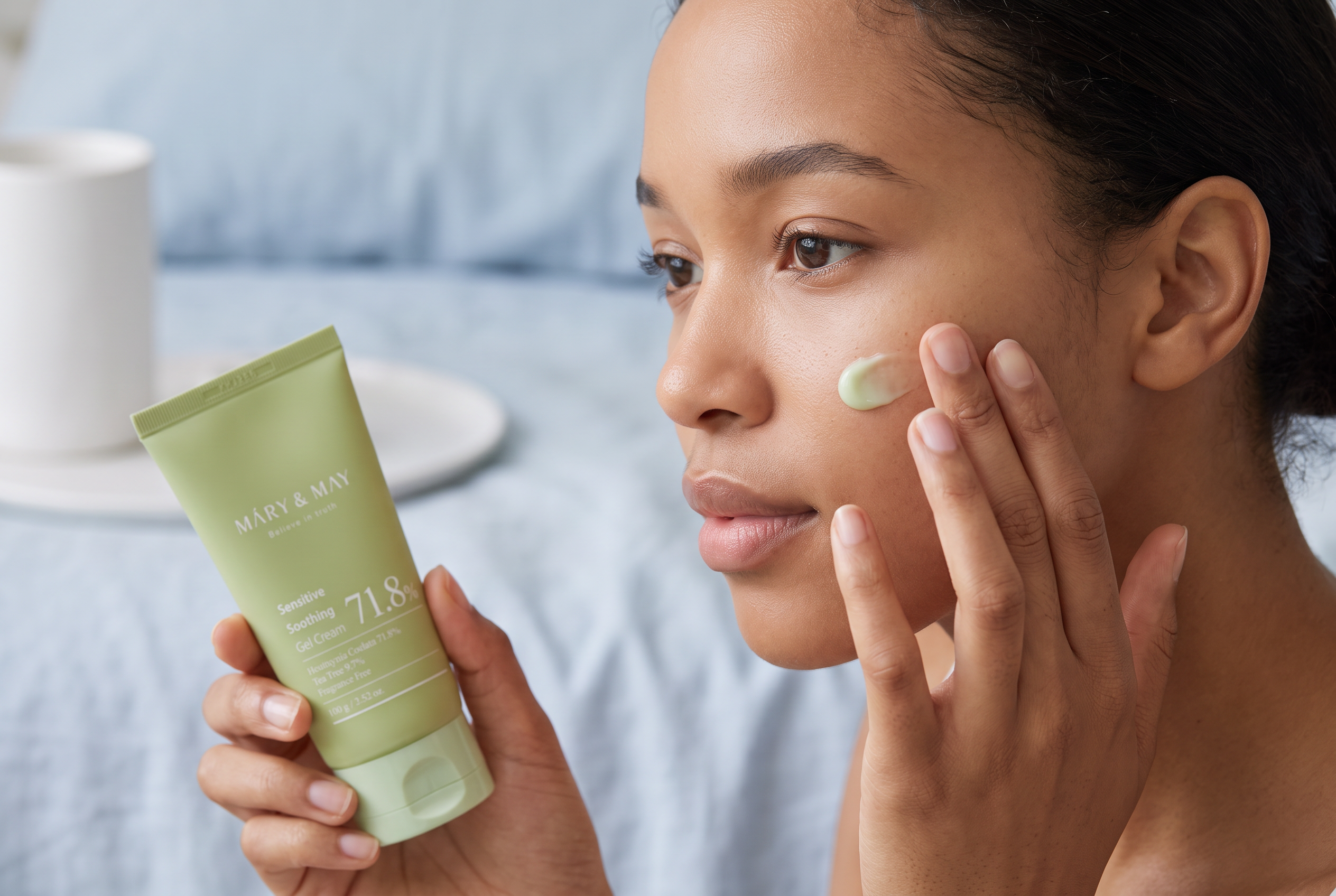
How the South African climate affects sensitive skin
Reactive skin often responds to the environment. Cape Town wind and wet-cold, dry Highveld winter air and indoor heating can all trigger tightness and redness. Hot summers, air conditioning and strong year-round sun can add to the stress. Daily sun protection is especially worthwhile for sensitive skin, and a gentle, mineral-friendly SPF suits many reactive complexions.
Patch testing and going slow
Before using a new product on your face, apply a small amount to your inner forearm or behind the ear for a few days and watch for a reaction. When you do start something new, add only one product at a time and give it two to three weeks. If your skin flares, stop and let it calm before trying anything else. This is a low-risk habit, not a medical test.
Ingredients to consider for sensitive skin
Choose gentle, supportive ingredients and keep the list short. Remember: Skincare supports and calms the skin, it does not cure or treat it.
Calming botanicals
Heartleaf (houttuynia cordata), centella asiatica (cica), aloe and mugwort can help reduce the feeling of irritation and support comfort.
Barrier support
Ceramides, panthenol and PDRN help maintain the skin barrier, which is central to calmer, less reactive skin.
Gentle hydration
Hyaluronic acid supports hydration without heaviness and is usually well tolerated.
Approach with caution
Fragrance, essential oils, high-strength acids and retinoids are common triggers. Leave these out while your skin is reactive, and reintroduce slowly and only if your skin is calm.
Golden rule for sensitive skin: one new product at a time, patch test first, and simpler is safer.
Morning routine for sensitive skin
- Gentle cleanse or water rinse. A very mild, fragrance-free cleanser, or just water. Frequency: daily.
- Soothing hydrating toner. A calming, water-based toner. Frequency: daily.
- Calming serum (optional). One soothing serum, introduced slowly. Frequency: daily to a few times a week.
- Barrier moisturiser. A gentle cream to support and comfort. Frequency: daily.
- Gentle broad-spectrum SPF. Every morning. Look for a formula your skin tolerates well.
Evening routine for sensitive skin
- First cleanse (if needed). A mild oil or balm to remove SPF and makeup. Skip if you wore neither.
- Gentle second cleanse. A soft, non-stripping cleanser.
- Soothing toner. Re-hydrate and calm.
- Calming serum. Only one, and only if your skin is settled. Avoid stacking actives.
- Barrier moisturiser. A comforting cream to support repair overnight.
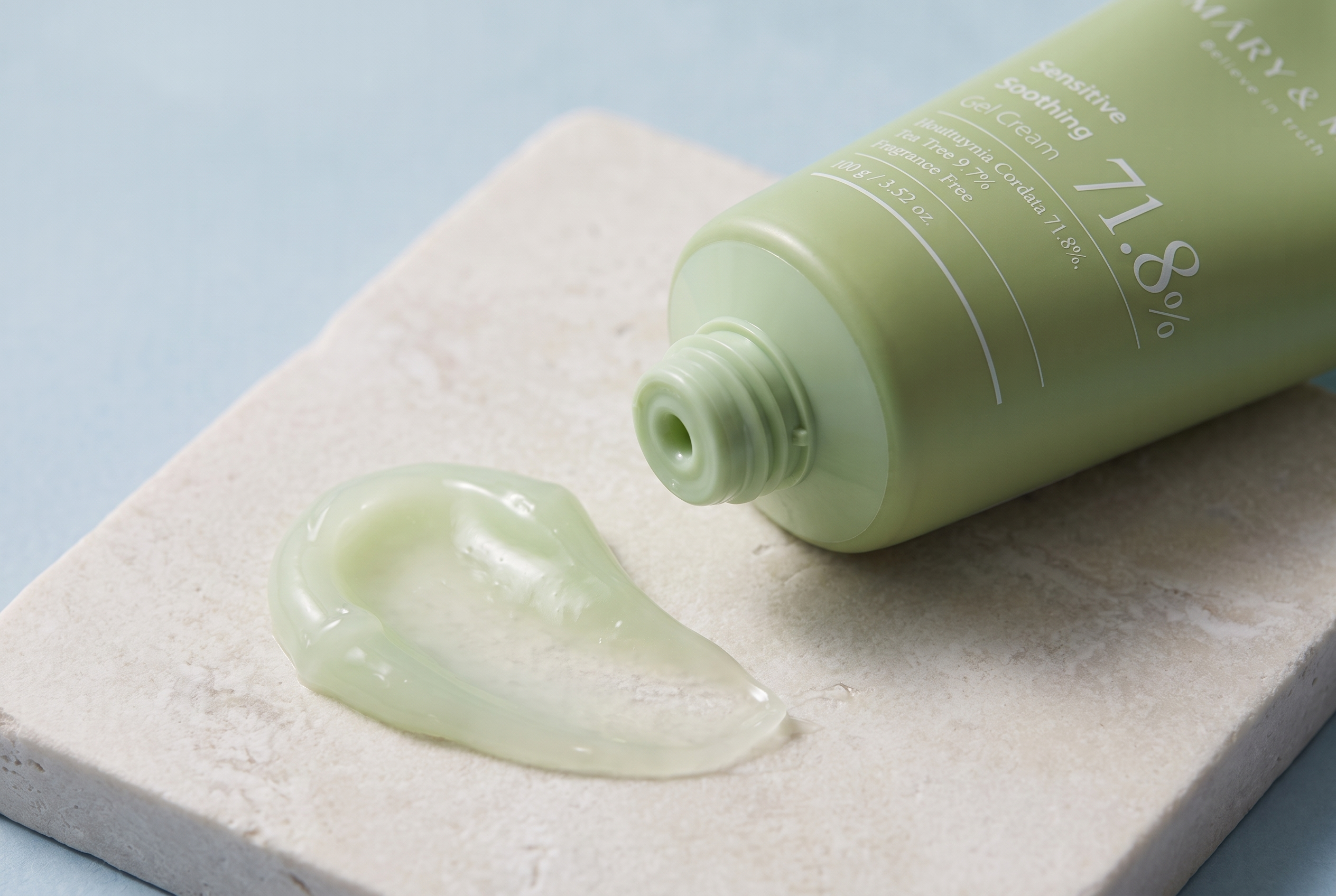
Where to start: three RuZu Beauty picks for sensitive skin
All three are in stock and chosen for comfort and barrier support.

A gentle, lightweight gel-cream formulated to calm and hydrate sensitive, redness-prone skin while supporting the barrier.
View on RuZuBeauty.com →
A lightweight, skin-calming lotion with 70% heartleaf extract. Gentle enough for reactive skin, light enough for everyday use.
View on RuZuBeauty.com →
A lightweight, comforting serum with aloe, cica and PDRN that helps soothe the feeling of irritation while supporting the barrier over time.
View on RuZuBeauty.com →Quick comparison
Best for: reactive, redness-prone skin
Texture: light gel-cream
Key ingredients: soothing, barrier-support blend
Routine step: moisturiser
Beginner friendly: yes
Best for: gentle everyday calm and hydration
Texture: light lotion
Key ingredients: heartleaf extract
Routine step: light moisturiser
Beginner friendly: yes
Best for: calming a stressed barrier
Texture: light serum
Key ingredients: aloe, cica, PDRN
Routine step: serum
Beginner friendly: yes, introduced slowly
Common sensitive skin mistakes to avoid
- Trying several new products at once. If something reacts, you will not know which one.
- Skipping the patch test. A few days of testing can save weeks of irritation.
- Using strong actives too soon. High-strength acids and retinoids can overwhelm reactive skin.
- Over-cleansing or over-exfoliating. This can compromise the barrier and increase sensitivity.
- Chasing fragrance and "tingling". Fragrance and a stinging feeling are common triggers, not signs a product is working.
- Skipping SPF. Sun exposure can worsen redness and reactivity.
Frequently asked questions
How do I know if my skin is sensitive or just reacting to one product?
If reactions only happen with specific products, you may simply be reacting to a trigger. If your skin flushes or stings easily across many products, it may be sensitive by nature. Either way, simplify and patch test.
Can my skin barrier recover?
A compromised barrier often becomes more comfortable when you simplify your routine, avoid triggers and use gentle, barrier-supporting products consistently. If it does not improve, seek professional advice.
Should I avoid all actives forever?
No. Once your skin is calm, you can reintroduce a single gentle active slowly and watch how your skin responds. Go one at a time.
Is fragrance always bad for sensitive skin?
Not for everyone, but fragrance is a common trigger, so it is sensible to avoid it while your skin is reactive.
Does the weather affect sensitive skin in South Africa?
Yes. Wind, dry winter air, indoor heating and strong sun can all trigger reactivity, so gentle, protective care matters year-round.
What if a product stings when I apply it?
Stinging is a sign to stop. Rinse it off, let your skin calm, and avoid that product on reactive skin.
When to seek professional advice
Please see a pharmacist, doctor or dermatologist if you have persistent redness, a rash, burning, swelling, blistering, or reactions that do not settle, or if you think you may have a skin condition. Sensitive skin care supports comfort; it is not a substitute for medical assessment.
The bottom line
For sensitive skin, less really is more. Keep the routine short and gentle, patch test, add one product at a time, and lean on calming, barrier-supporting ingredients. When your skin is calm and comfortable, you have found your routine.
Build a gentle routine for sensitive skin
Shop calming, barrier-supporting K-beauty made for reactive skin.
Shop skincare at RuZu Beauty →New to skincare? Start with how to identify your skin type or follow RuZu Skin Talk on Instagram.
Sources
- American Academy of Dermatology, Skin care basics and how to care for sensitive skin, aad.org.
- Cleveland Clinic, Understanding Skin Types, health.clevelandclinic.org.
This article is general skincare information for healthy sensitive skin and is not medical advice. It does not diagnose or treat any skin condition. For persistent, painful or unexplained symptoms, consult a qualified medical professional.
Leave a comment