

The best Korean skincare routine for oily skin in South Africa is balanced, not stripping: a gentle cleanser (double cleanse at night), a lightweight hydrating toner, a niacinamide or clarifying serum, a light gel moisturiser and daily SPF. Hydrate rather than dry the skin out, exfoliate gently and occasionally, and resist over-washing. Balanced, hydrated skin actually looks less shiny over time.
Key takeaways
- Oily skin makes more sebum, so it needs gentle cleansing and lightweight hydration, not harsh drying.
- Stripping oily skin can backfire and make it produce even more oil.
- Oily skin can still be dehydrated, which feels tight while looking shiny. The fix is water-based hydration, not heavier oils.
- Lightweight gel textures, niacinamide and gentle BHA suit oily and congested skin.
- Humid coastal areas and hot South African summers can make oiliness feel more noticeable, but SPF still matters every day.
Watch: tight but oily? Your barrier might need help
This RuZu post explains why oily skin can still feel tight and irritated, and how a gentle reset helps. Watch it, then follow the balanced routine below.
Video not loading? Watch it on Instagram.
Who this guide is for
This guide is for you if your skin looks shiny a few hours after cleansing, your pores look larger, or you are prone to congestion and breakouts. If you have painful, cystic or persistent acne, please see a pharmacist, doctor or dermatologist. This is general guidance for healthy oily skin, not acne treatment.
How to recognise oily skin
Oily skin usually looks shiny, especially across the forehead, nose and chin, within a few hours of cleansing. Pores can appear more visible and skin is more prone to blackheads, congestion and breakouts.
Oily skin versus temporary shine
A little shine after exercise, a hot day or a rich product does not necessarily make you oily. True oily skin gets shiny reliably through the day, most days.
Oily but dehydrated skin
This is common and often misread. Skin can produce plenty of oil yet still lack water, so it feels tight or looks dull while staying shiny. Drying it out further makes it worse. The answer is lightweight, water-based hydration.
Congestion and breakouts
Clogged pores and breakouts are concerns that can sit on oily skin and are treated gently and separately. You still have one primary type.
How the South African climate affects oily skin
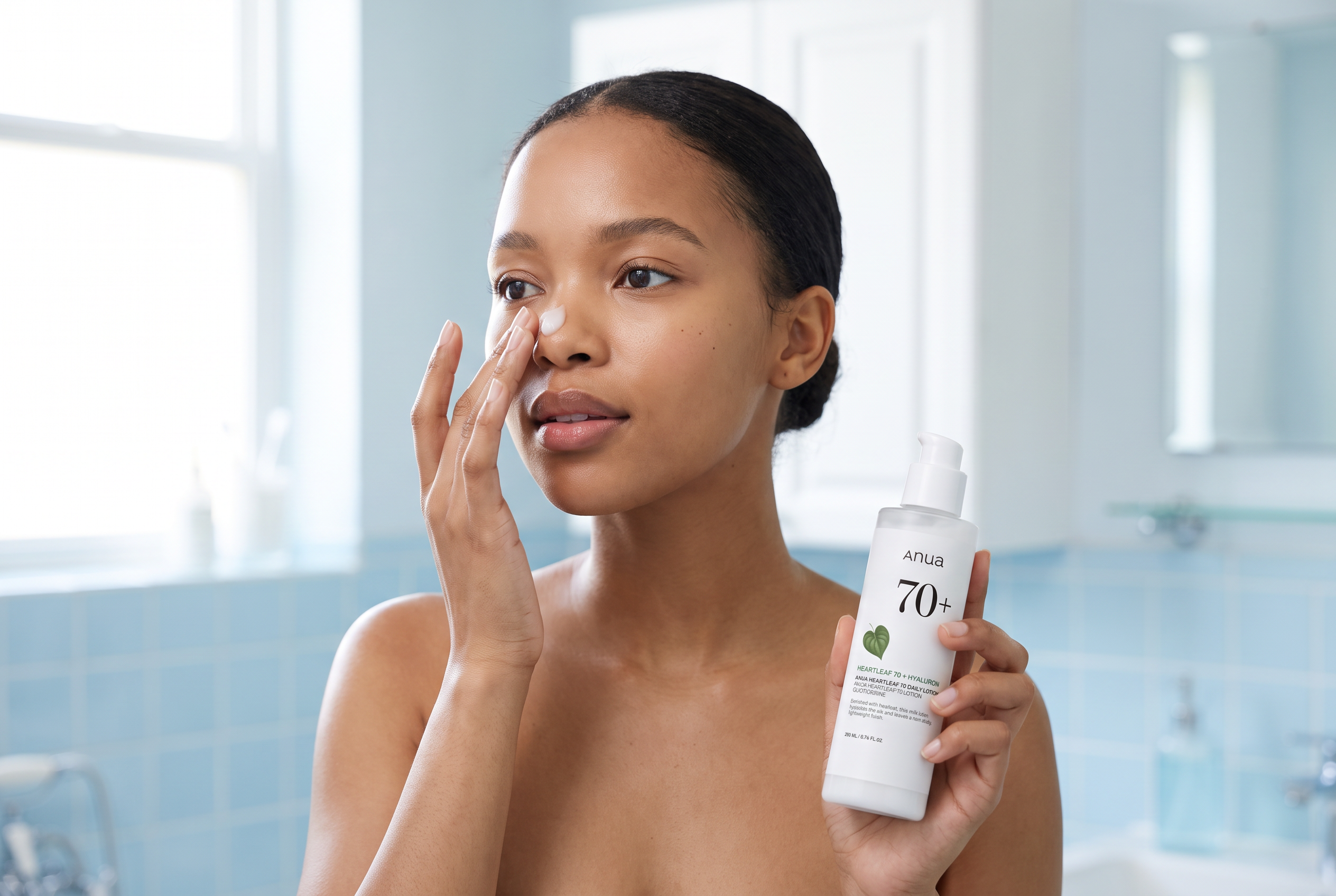
Oily skin can feel more noticeable in humidity, so Durban and other coastal areas, plus hot South African summers, may mean more midday shine. Air conditioning and a dry inland winter can quietly dehydrate oily skin, which then overproduces oil to compensate. Whatever the season, daily SPF remains essential, and lightweight, non-greasy formulas tend to feel best.
A quick at-home check
Cleanse, pat dry and wait about an hour with nothing on your skin. If you look shiny across the whole face, oily skin is likely your type. Shine only on the T-zone points more towards combination skin. This is an observation, not a diagnosis. See our full guide on how to identify your skin type.
Ingredients to consider for oily skin
Choose a few from these categories. Remember: skincare supports and helps balance skin, it does not cure it.
Niacinamide
May improve the appearance of enlarged pores and uneven tone and can help skin feel more balanced. A great all-rounder for oily skin.
BHA (salicylic acid)
Helps keep pores clear and can reduce the look of congestion. It is a stronger active, so start slowly, a few times a week, and not alongside other strong actives.
Lightweight hydration
Hyaluronic acid and gel textures add water without heaviness, which helps balance oil.
Calming botanicals
Heartleaf and centella can help soothe congestion-prone, easily-irritated oily skin.
For everyone, every day
A lightweight broad-spectrum SPF. Gel or fluid formulas often suit oily skin best.
Introduce one active at a time, give it two to three weeks, and patch test first.
Morning routine for oily skin
- Gentle cleanser. A mild foaming or gel cleanser. Purpose: fresh, comfortable skin without stripping. Frequency: daily.
- Lightweight hydrating toner. Water-based hydration to keep skin balanced. Frequency: daily.
- Niacinamide serum (optional). To help balance and refine the look of pores. Frequency: daily.
- Light gel moisturiser. Yes, oily skin needs moisturiser. Keep it light. Frequency: daily.
- Lightweight broad-spectrum SPF. Every morning, reapply when outdoors for long periods.
Evening routine for oily skin
- First cleanse. An oil or balm cleanser to dissolve SPF, sunscreen and sebum. Oil cleansers suit oily skin and rinse clean.
- Second cleanse. A gentle water-based cleanser to finish. This double cleanse is the one place oily skin benefits from being thorough.
- Toner. Rehydrate.
- Treatment (optional). A BHA or clarifying serum a few nights a week, introduced slowly. Avoid stacking strong actives.
- Light moisturiser. A gel or fluid to seal in hydration.
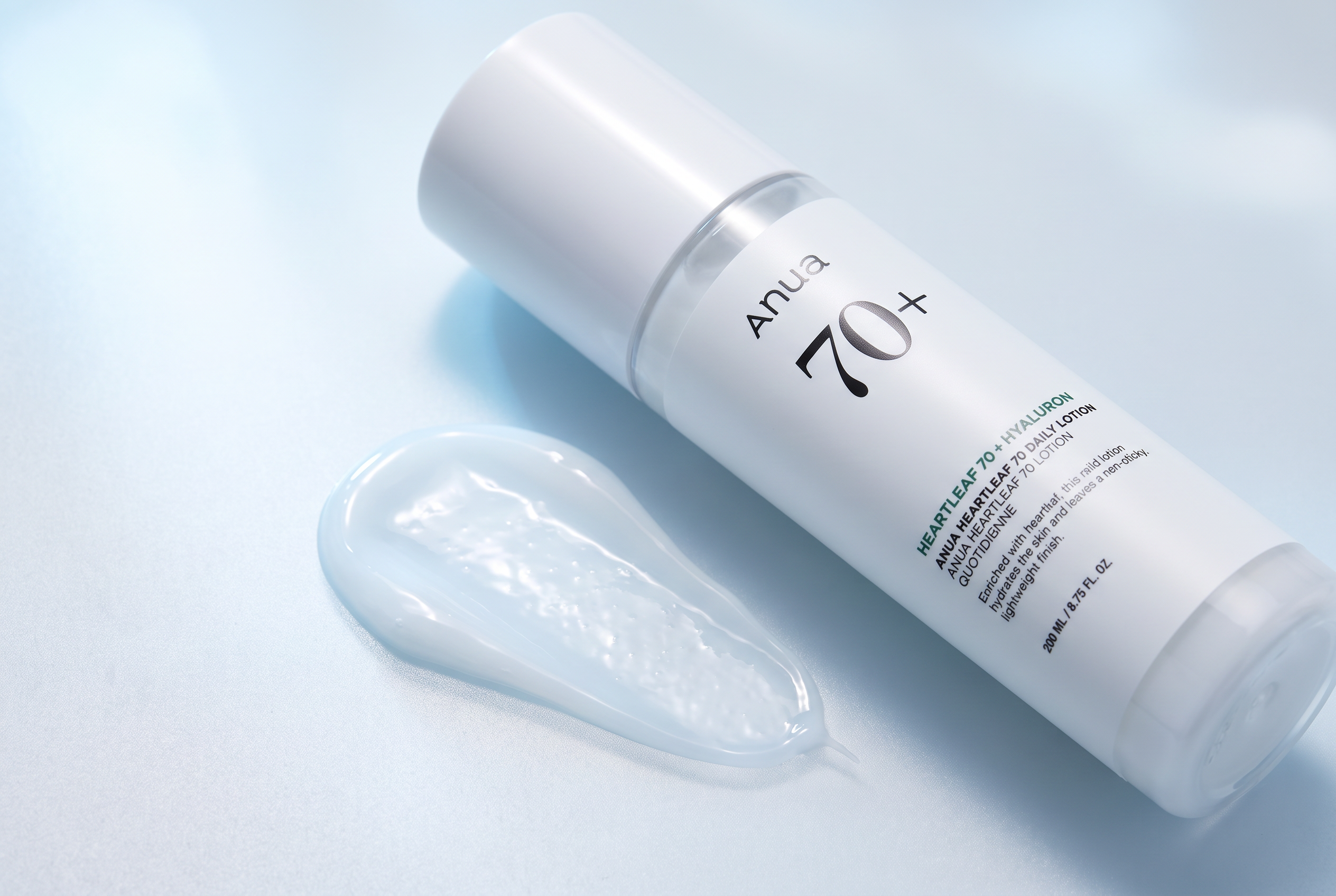
Where to start: three RuZu Beauty picks for oily skin
All three are in stock and beginner-friendly.

A lightweight, calming lotion that hydrates without heaviness, so oily and congestion-prone skin stays comfortable and balanced.
View on RuZuBeauty.com →
A refreshing daily cleanser that helps clear pores and manage excess oil without leaving skin tight. A gentle everyday base for oily skin.
View on RuZuBeauty.com →
A wash-off clay mask that helps remove excess oil and unclog pores, refining the look of texture. Use once or twice a week.
View on RuZuBeauty.com →Quick comparison
Best for: lightweight daily hydration
Texture: light lotion
Key ingredients: heartleaf extract
Routine step: moisturiser
Beginner friendly: yes
Best for: daily oil and pore care
Texture: foaming cleanser
Key ingredients: BHA, centella, panthenol
Routine step: cleanser
Beginner friendly: yes
Best for: weekly deep clean
Texture: wash-off clay mask
Key ingredients: heartleaf, clay
Routine step: weekly mask
Beginner friendly: yes, 1 to 2 times a week
Common oily skin mistakes to avoid
- Over-cleansing. Washing too often or with harsh cleansers can push skin to make more oil.
- Skipping moisturiser. Oily skin still needs light hydration; skipping it can worsen shine.
- Confusing oily with dehydrated. Tight, shiny skin often needs water, not more drying.
- Over-exfoliating. Daily scrubs and strong acids can irritate and increase oil.
- Piling on strong actives at once. Introduce one at a time.
- Heavy, greasy formulas. Choose lightweight gels and fluids.
- Skipping SPF because it feels greasy. Use a lightweight SPF instead of none.
Frequently asked questions
Does oily skin really need a moisturiser?
Yes. A light moisturiser keeps oily skin balanced. Skipping it can lead the skin to overproduce oil to compensate.
Why is my skin oily but also tight?
You may be oily and dehydrated at the same time. Add lightweight, water-based hydration rather than drying the skin out.
How often should I exfoliate oily skin?
Gently and occasionally. Many people do well with a BHA a few times a week. If skin becomes red or tight, cut back.
Is double cleansing necessary for oily skin?
At night, if you wear SPF or makeup, a first oil cleanse followed by a gentle second cleanse works well. In the morning, one gentle cleanse is enough.
Does humidity make oily skin worse?
Humid, coastal conditions and hot summers can make oiliness more noticeable. Lightweight formulas and blotting through the day help.
Will drying products stop the shine?
Not reliably. Stripping the skin can increase oil production. Balanced hydration usually reduces shine more sustainably.
When to seek professional advice
See a pharmacist, doctor or dermatologist if you have painful, cystic or persistent acne, or breakouts that do not respond to gentle care. This routine supports healthy oily skin and is not a treatment for acne.
The bottom line
Oily skin does best when you balance it rather than battle it: gentle cleansing, lightweight hydration, occasional gentle exfoliation and daily SPF. Hydrated, balanced skin looks less shiny over time, without the stripping.
Build a balanced routine for oily skin
Shop lightweight, pore-friendly K-beauty for oily and congestion-prone skin.
Shop for oily and breakout-prone skin →Not sure of your type? Read how to identify your skin type or follow RuZu Skin Talk on Instagram.
Sources
- American Academy of Dermatology, Face washing and skin care basics, aad.org.
- Cleveland Clinic, Understanding Skin Types, health.clevelandclinic.org.
This article is general skincare information for healthy skin and is not medical advice. For persistent acne or serious concerns, consult a qualified medical professional.
Leave a comment