

The best Korean skincare routine for dry skin in South Africa is short, gentle and hydration-first: a creamy or oil-based cleanser, a hydrating toner, a barrier-supporting serum, a richer moisturiser to lock it in, and daily SPF. Layer water-based hydration under a cream that seals it, and go richer in a dry Highveld or Cape winter. The goal is a comfortable, supported skin barrier, not more products.
Key takeaways
- Dry skin makes less natural oil, so it needs both water (hydration) and a richer cream to seal that water in.
- Dry skin is a type; dehydration is a temporary condition that can sit on top of it. Many people have both, especially in winter.
- Gentle, layered hydration beats harsh scrubbing and long, complicated routines.
- Dry inland air, indoor heating and Cape winter wind can all make dryness feel worse at certain times of year.
- Ceramides, hyaluronic acid, snail mucin and heartleaf are gentle K-beauty ingredients that help support the barrier.
Watch: why dry skin struggles in winter
This RuZu reel explains why dry skin feels tight and dull when the weather turns, and what to add at each step. Watch it, then use the routine below to put it into practice.
Video not loading? Watch it on Instagram.
Who this guide is for
This guide is for you if your skin often feels tight after cleansing, looks dull or flaky, or drinks up moisturiser within an hour. If your skin is cracked, painful, weeping or severely inflamed, please see a pharmacist, doctor or dermatologist first. This is general guidance for healthy dry skin, not a treatment for a skin condition.
How to recognise dry skin
Dry skin tends to feel tight, especially after washing. It can look dull, feel rough in places, and show flakiness or fine lines more easily. Makeup may cling to dry patches. Unlike oily skin, it rarely gets shiny through the day.
Dry skin versus dehydrated skin
This is the distinction that changes everything. Dry skin is a type that lacks oil. Dehydrated skin is a temporary condition that lacks water, and it can affect anyone, including oily skin. Dry skin usually wants richer, barrier-supporting creams. Dehydrated skin wants water-based hydration such as hyaluronic acid. If your skin feels tight yet still gets a little shiny, you may be dehydrated rather than truly dry. Many people in winter are both, which is why layering water then cream works so well.
You can have dry skin and still get the occasional breakout or a sensitive flare. You still have one primary type, and you treat the extra concern gently on top of it.
How the South African climate affects dry skin
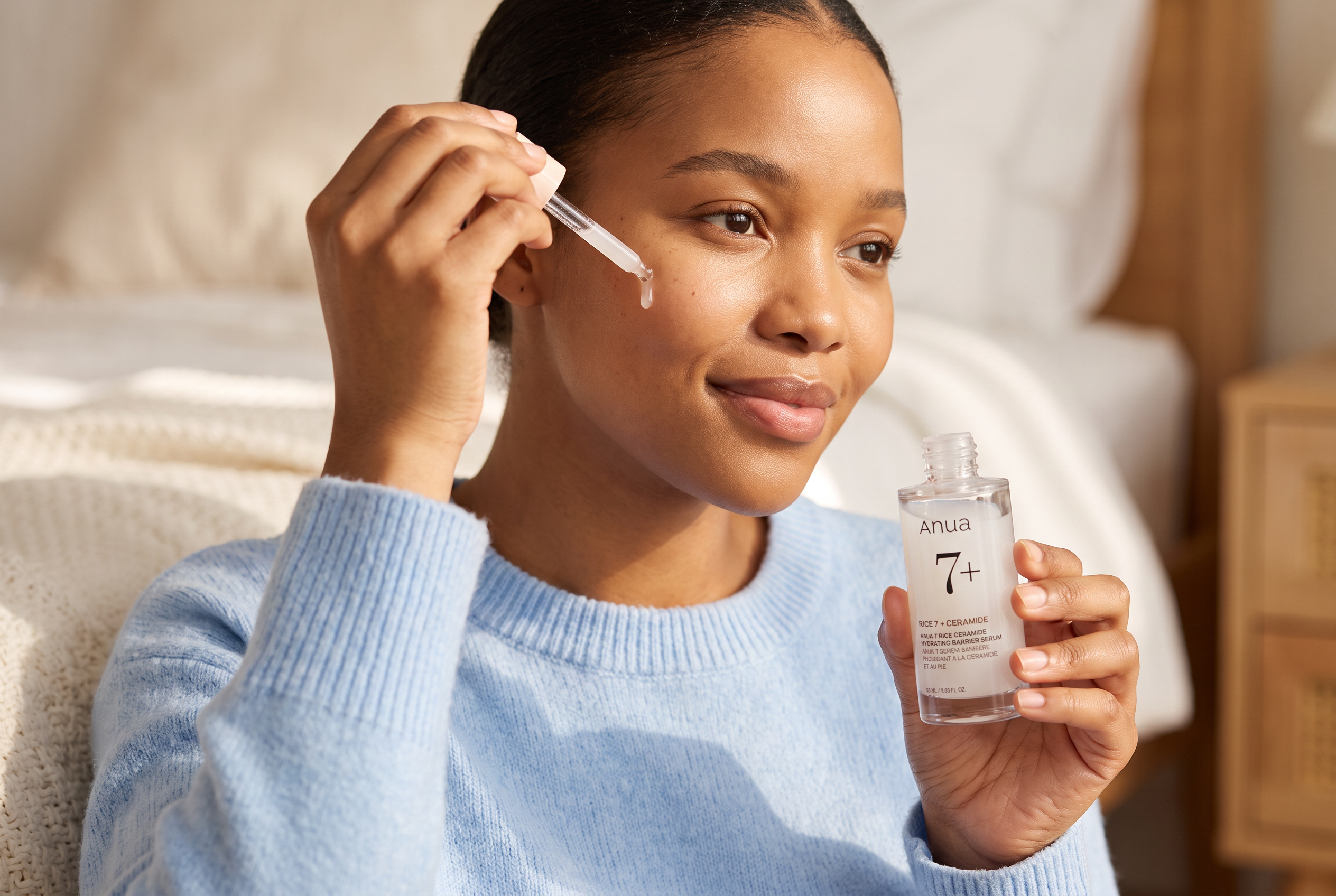
Dry skin often feels worse at specific times and places. On the Highveld, dry high-altitude air and indoor heating in a Johannesburg or Pretoria winter can leave skin feeling tight by mid-morning. In Cape Town, winter wind and wet-cold can aggravate dryness for some people. Even in summer, air conditioning and long hot showers can pull moisture from the skin. The one constant is strong year-round sun, so daily SPF stays essential no matter the season.
A quick at-home check
Cleanse with a gentle cleanser, pat dry and apply nothing for about an hour. If your skin feels tight, rough or looks flaky all over, dryness is likely your main concern. This is a simple observation, not a medical diagnosis. For a full walkthrough, see our guide on how to identify your skin type.
Ingredients to consider for dry skin
Think in categories and choose a few. Remember: Because skincare supports and maintains the skin, it does not cure or heal it.
Ceramides
Ceramides help maintain the skin barrier, which can reduce the feeling of tightness and help skin hold onto moisture. A good fit for dry and barrier-stressed skin.
Hyaluronic acid and other humectants
Hyaluronic acid, panthenol and PDRN support hydration by drawing and holding water in the skin. Apply them to slightly damp skin, then seal with a cream.
Snail mucin and rice extract
Gentle K-beauty favourites that can help skin feel smoother, more comfortable and more resilient.
Heartleaf (houttuynia cordata)
A calming botanical that suits dry skin which also feels a little reactive.
For everyone, every day
Broad-spectrum SPF. It helps protect the barrier you are working to support, and in South African sun it is not optional.
Introduce one new product at a time, give it two to three weeks, and patch test before using anything new on your face.
Morning routine for dry skin
- Gentle cleanse or water rinse. Dry skin often does well with just a splash of water or a very mild cleanser in the morning. Frequency: daily.
- Hydrating toner. Press in a water-based hydrating toner while skin is still slightly damp. Purpose: the first layer of hydration. Frequency: daily.
- Barrier serum. A ceramide or hydrating serum to support the barrier. Frequency: daily.
- Richer moisturiser. A cream that seals in the hydration underneath. Purpose: lock in water, comfort the skin. Frequency: daily.
- Broad-spectrum SPF. Every morning, reapply when outdoors for long periods.
Evening routine for dry skin
- First cleanse (if needed). An oil or balm cleanser to melt away SPF and makeup gently. Skip if you wore neither.
- Gentle second cleanse. A mild, non-stripping cleanser. If your skin feels tight after washing, your cleanser may be too harsh.
- Hydrating toner. Re-layer hydration.
- Barrier serum or treatment. Introduce actives slowly and one at a time. Avoid stacking several strong actives on the same night.
- Richer night moisturiser. Go a little heavier at night to support repair while you sleep.
Where to start: three RuZu Beauty picks for dry skin
All three are in stock and gentle enough for beginners. Match richness to how dry your skin feels.

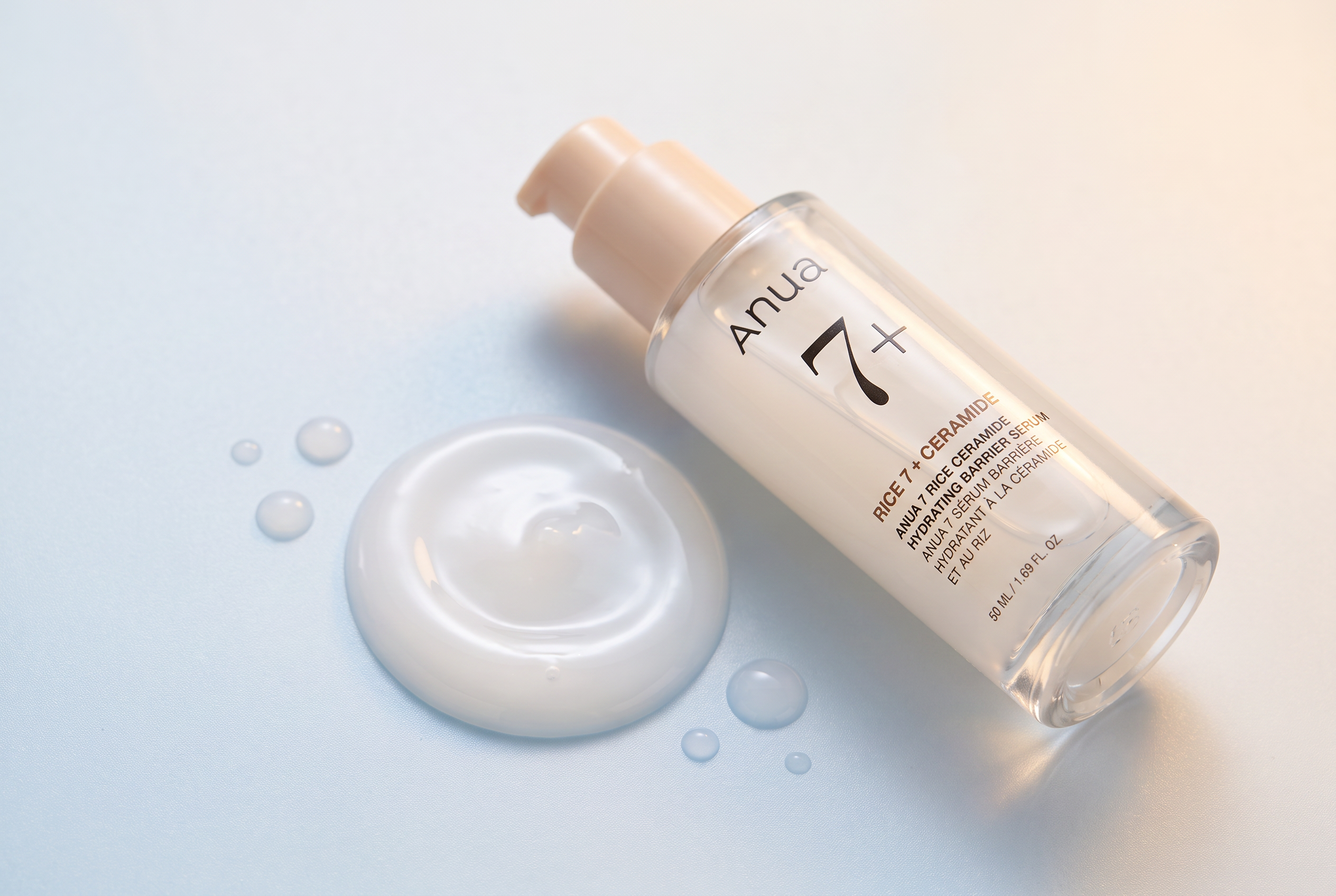
A nutrient-rich serum with ceramides and rice extract that helps strengthen the barrier and support deep hydration. Ideal for tight, dull, thirsty skin.
View on RuZuBeauty.com →
A gentle, calming gel-cream for dry skin that also feels reactive. Comfortable, lightweight hydration with barrier support.
View on RuZuBeauty.com →
A nourishing daily moisturiser that helps hydrate and revive dull, dry skin, with snail mucin and rice for a comfortable, supple finish.
View on RuZuBeauty.com →Quick comparison
Best for: barrier support, tight dull skin
Texture: lightweight serum
Key ingredients: ceramides, rice extract
Routine step: serum (AM and PM)
Beginner friendly: yes
Best for: dry and reactive skin
Texture: light gel-cream
Key ingredients: soothing, barrier-support blend
Routine step: moisturiser
Beginner friendly: yes
Best for: richer daily moisture
Texture: nourishing cream
Key ingredients: snail mucin, rice
Routine step: moisturiser (PM leaning)
Beginner friendly: yes
Common dry skin mistakes to avoid
- Using a stripping cleanser. If skin feels tight right after washing, the cleanser is likely too harsh.
- Skipping hydration and only using oil-rich creams. Dry skin still needs water-based hydration underneath the cream.
- Hot, long showers. Very hot water can worsen dryness. Lukewarm is kinder.
- Over-exfoliating. Scrubbing dry skin can damage the barrier and increase flaking.
- Introducing several actives at once. Add one at a time to avoid irritation.
- Forgetting SPF in winter. UV exposure continues year-round in South Africa.
Frequently asked questions
Why does my skin feel tight even after moisturising?
You may be sealing dry skin without adding water first, or your skin may be dehydrated as well as dry. Try pressing a hydrating toner into damp skin, then applying your cream on top.
Is dry skin the same as dehydrated skin?
No. Dry skin lacks oil and is a type. Dehydrated skin lacks water and is a temporary condition anyone can get. Dry skin wants richer creams, dehydrated skin wants water-based hydration.
How often should I exfoliate dry skin?
Sparingly. Many people with dry skin do well with gentle exfoliation once a week or less. If skin feels raw or tight afterwards, cut back.
Does winter in South Africa really make dry skin worse?
It can. Dry inland air, indoor heating and Cape winter wind pull moisture from the skin, so many people go richer with their routine in the colder months.
Can oily skin be dry too?
Oily skin is not usually dry, but it can be dehydrated, which feels tight while still looking shiny. The fix is water-based hydration rather than heavy oils.
What is the single most important step for dry skin?
Consistent, layered hydration: water-based hydration first, then a cream to seal it, plus daily SPF.
When to seek professional advice
See a pharmacist, doctor or dermatologist if your skin is persistently cracked, painful, itchy, weeping or not improving, or if you suspect an underlying condition. An at-home routine supports healthy skin; it does not replace medical care.
The bottom line
Dry skin thrives on gentle, layered hydration and a supported barrier rather than a long, complicated routine. Add water, seal it with a cream, protect with SPF, and adjust to the season. Start simple and build only if your skin asks for more.
Build a hydrating routine for dry skin
Shop gentle, barrier-supporting K-beauty picked for dry and dehydrated skin.
Shop dry and dehydrated skin →Learning your skin? Follow RuZu Skin Talk on Instagram.
Sources
- American Academy of Dermatology, Dermatologists' tips for relieving dry skin, aad.org.
- Cleveland Clinic, Understanding Skin Types and dry skin care, health.clevelandclinic.org.
- Schweiger Dermatology Group, Dry vs Dehydrated Skin, schweigerderm.com.
This article is general skincare information for healthy skin and is not medical advice. For persistent or serious concerns, consult a qualified medical professional.
Leave a comment