

The best Korean skincare routine for combination skin treats different areas a little differently: a gentle cleanser, a lightweight hydrating toner, targeted serums where you need them, and a light moisturiser layered heavier on drier areas. Keep the T-zone balanced with lightweight hydration and give the cheeks a touch more nourishment. Simple layering, adjusted by zone and by season, keeps combination skin comfortable.
Key takeaways
- Combination skin is oily through the T-zone (forehead, nose and chin) but normal or dry on the cheeks.
- The trick is layering: lightweight everywhere, with a little more richness where skin is drier.
- You do not need two full routines, just small adjustments by zone.
- Combination skin often shifts with the seasons, leaning oilier in summer and drier in winter.
- Lightweight hydration, niacinamide and gentle textures keep both zones happy.
Watch: cleansing by skin type
This RuZu reel explains why not every skin type should cleanse the same way, which matters a lot for combination skin. Watch it, then use the routine below.
Video not loading? Watch it on Instagram.
Who this guide is for
This guide is for you if your forehead, nose and chin get shiny while your cheeks feel normal or a little dry. If you have painful breakouts, persistent redness or a reaction that will not settle, please see a pharmacist, doctor or dermatologist. This is general guidance for healthy combination skin.
How to recognise combination skin
Combination skin shows two behaviours at once. The T-zone tends to get shiny and can be prone to congestion, while the cheeks feel balanced or slightly dry and tight. Pores often look larger around the nose and smaller on the cheeks.
How combination differs from oily skin
Oily skin is shiny more or less all over. Combination skin is shiny mainly in the T-zone, with cheeks that do not share the oiliness. If your whole face gets shiny, you are likely oily rather than combination.
Treating areas differently
The heart of combination-skin care is small, sensible adjustments: lightweight products across the whole face, then a little more moisture on the drier cheeks and slightly more oil control on the T-zone. You can also have a temporary concern, such as dehydration or a breakout, on top of a combination type.
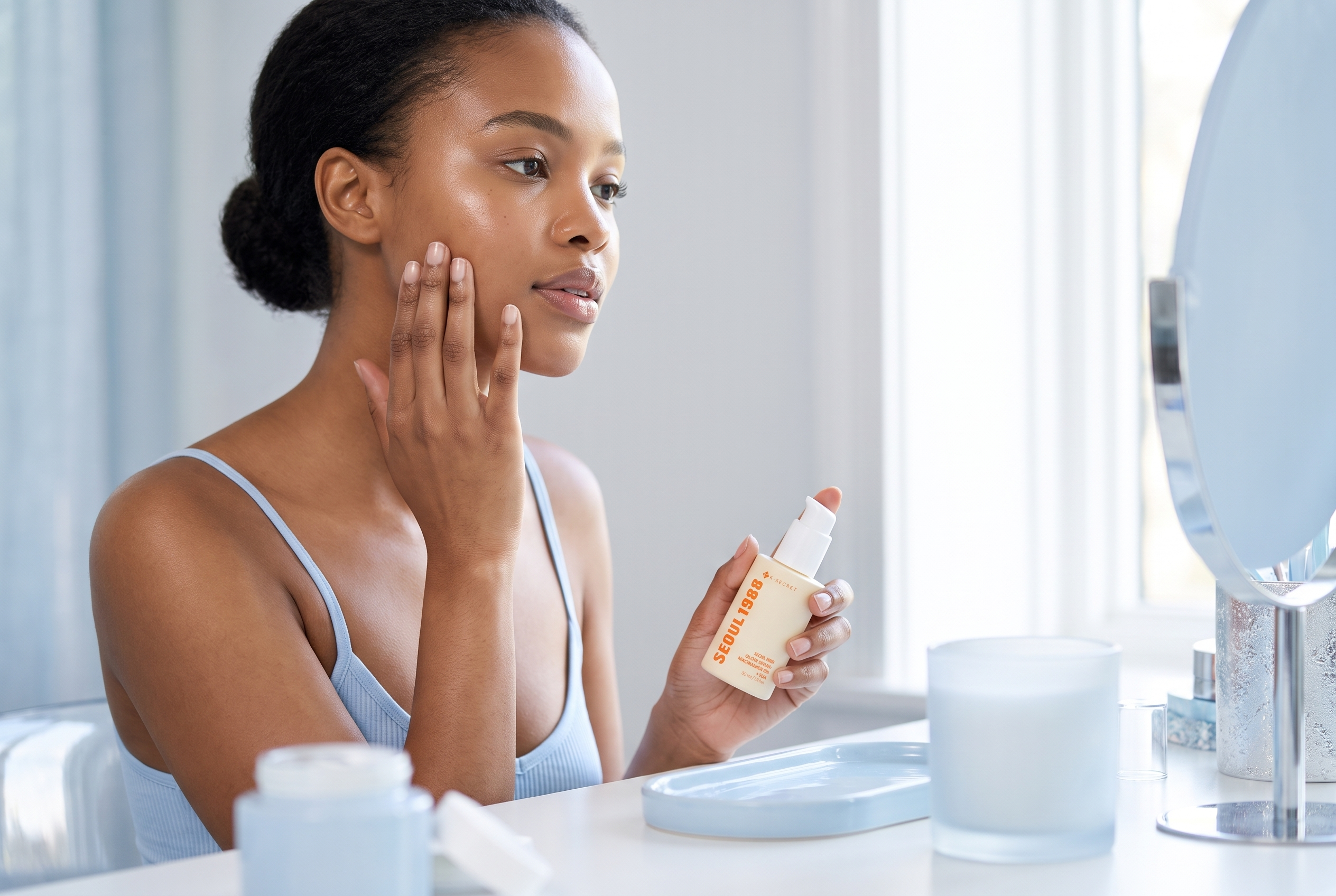
How the South African climate affects combination skin
Combination skin is the type most likely to shift with the seasons. In a hot, humid coastal summer the T-zone may get oilier, while a dry Highveld or Cape winter can leave the cheeks feeling tight and flaky. Air conditioning and indoor heating add to that swing. Adjust by season: lighter in summer, a touch more nourishing on the cheeks in winter, with daily SPF all year.
A quick at-home check
Cleanse, pat dry and wait about an hour. If your T-zone looks shiny while your cheeks feel comfortable or slightly tight, that points to combination skin. This is an observation, not a diagnosis. For the full method, see how to identify your skin type.
Ingredients to consider for combination skin
Choose flexible, lightweight ingredients you can layer by zone. Remember: skincare supports and balances skin, it does not cure it.
Lightweight hydration
Hyaluronic acid and light gel textures hydrate the whole face without weighing down the T-zone.
Niacinamide
Helps balance the look of the T-zone and may improve the appearance of pores and uneven tone, while staying gentle enough for the cheeks.
Barrier support for the cheeks
Ceramides and gentle creams give drier cheeks a little more comfort where they need it.
Gentle exfoliation
An occasional BHA can help keep the T-zone clear. Use it where you need it and not all over if your cheeks are dry.
For everyone, every day
A lightweight broad-spectrum SPF suits combination skin well.
Introduce one new active at a time and patch test before applying anything new to your whole face.
Morning routine for combination skin
- Gentle cleanser. A mild cleanser that neither strips the T-zone nor leaves the cheeks tight. Frequency: daily.
- Lightweight hydrating toner. Balanced hydration across the whole face. Frequency: daily.
- Serum (optional). A niacinamide or hydrating serum, focused where you need it. Frequency: daily.
- Light moisturiser. A gel-cream all over, layered slightly heavier on drier cheeks. Frequency: daily.
- Broad-spectrum SPF. Every morning.
Evening routine for combination skin
- First cleanse (if needed). An oil or balm cleanser to remove SPF and makeup.
- Second cleanse. A gentle water-based cleanser.
- Toner. Rehydrate the whole face.
- Targeted treatment (optional). A clarifying serum on the T-zone or a hydrating serum on the cheeks, introduced one at a time.
- Moisturiser. Light all over, a little more on the cheeks at night.
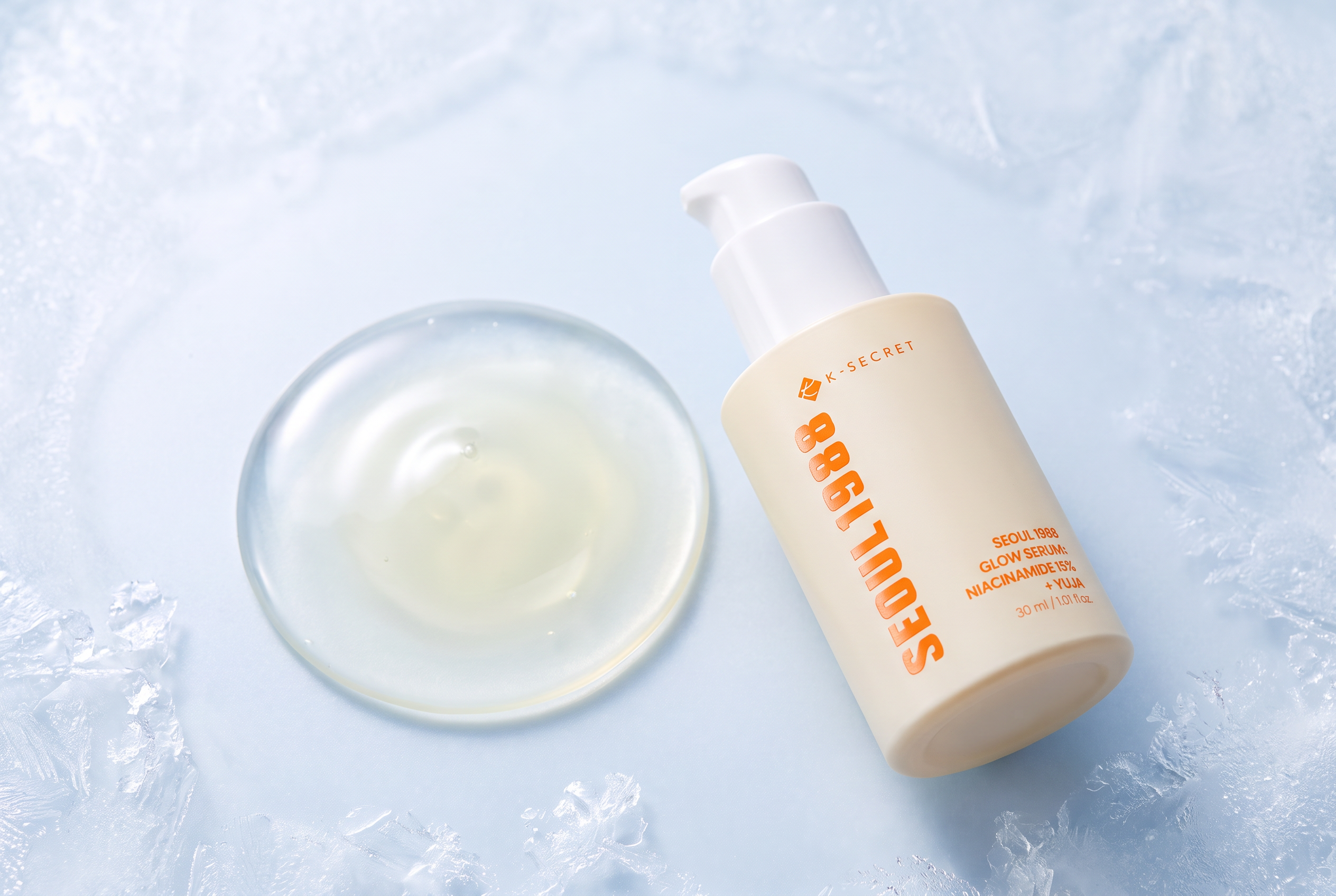
Where to start: three RuZu Beauty picks for combination skin
All three are in stock and beginner-friendly.

A lightweight, hydration-focused toner that balances the whole face without weighing down the T-zone. Suits every zone of combination skin.
View on RuZuBeauty.com →
A lightweight, calming lotion you can layer, lighter on the T-zone and a little more on drier cheeks. Comfortable for both zones.
View on RuZuBeauty.com →
A niacinamide serum that helps balance the T-zone and may improve the appearance of uneven tone. Use where you want more clarity and brightness.
View on RuZuBeauty.com →Quick comparison
Best for: balanced hydration all over
Texture: light, water-like
Key ingredients: hyaluronic acid, PDRN
Routine step: toner
Beginner friendly: yes
Best for: layerable moisture by zone
Texture: light lotion
Key ingredients: heartleaf extract
Routine step: moisturiser
Beginner friendly: yes
Best for: T-zone balance and even tone
Texture: lightweight serum
Key ingredients: niacinamide, yuja
Routine step: targeted serum
Beginner friendly: yes, introduced slowly
Common combination skin mistakes to avoid
- Treating the whole face like the T-zone. Drying products made for oiliness can leave the cheeks tight.
- Treating the whole face like the cheeks. Rich creams everywhere can congest the T-zone.
- Over-cleansing to fight T-zone shine. This can dry the cheeks and increase oil where you least want it.
- Ignoring the seasons. Combination skin shifts, so adjust as the weather changes.
- Stacking strong actives. Introduce one at a time and use them where they are needed.
- Skipping SPF. Daily protection matters for both zones.
Frequently asked questions
Do I need two separate routines for combination skin?
No. Use one simple routine and make small adjustments by zone, such as a little more moisturiser on the cheeks and a lightweight serum on the T-zone.
How is combination skin different from oily skin?
Oily skin is shiny across the whole face. Combination skin is shiny mainly in the T-zone, with cheeks that stay normal or dry.
Can I use the same moisturiser everywhere?
Often yes. A light moisturiser applied more generously on drier cheeks and sparingly on the T-zone works well for most people.
Why does my skin change between summer and winter?
Combination skin is especially season-sensitive. Humidity and heat push the T-zone oilier, while dry, cold air can leave the cheeks tight.
Where should I use exfoliating actives?
Usually on the T-zone where congestion sits, rather than all over, if your cheeks are dry. Start gently.
What is the simplest combination-skin routine?
Gentle cleanser, hydrating toner, light moisturiser layered by zone, and daily SPF. Add targeted serums only where you need them.
When to seek professional advice
See a pharmacist, doctor or dermatologist for persistent breakouts, ongoing redness, or any reaction that does not settle. This routine supports healthy combination skin and does not replace medical care.
The bottom line
Combination skin is easier than it looks. Keep the base routine light, add a little more moisture where you are dry and a little more balance where you are oily, and adjust with the seasons. Small, sensible layering does the work.
Build a balanced routine for combination skin
Shop lightweight, layerable K-beauty that suits both zones.
Shop skincare at RuZu Beauty →Not sure of your type? Read how to identify your skin type or follow RuZu Skin Talk on Instagram.
Sources
- American Academy of Dermatology, Skin care basics, aad.org.
- Cleveland Clinic, Understanding Skin Types, health.clevelandclinic.org.
This article is general skincare information for healthy skin and is not medical advice. For persistent or serious concerns, consult a qualified medical professional.
Leave a comment