


To fade dark spots, you need three things working together: a brightening active like niacinamide, vitamin C or tranexamic acid to slow melanin production, gentle consistency instead of harsh treatments, and daily SPF to stop new spots forming. This is exactly how Korean skincare approaches pigmentation, and it suits South African skin and our high-UV climate well. Most people see lighter spots within 6 to 8 weeks of daily use.
Below is the full routine, the ingredients that actually work, and the mistakes that keep dark spots hanging around.
In this article
- What are dark spots?
- What causes dark spots in South Africa?
- Why Korean skincare works for dark spots
- The step by step Korean routine
- The best K-Beauty ingredients for dark spots
- Common mistakes to avoid
- How long does it take to fade dark spots?
- When to see a professional
- FAQ
What are dark spots?
Dark spots, also called hyperpigmentation, are patches where the skin has produced extra melanin. They usually show up as brown, tan or grey marks, and they are harmless. They can affect how even your skin tone looks, which is why so many people want to fade them.
The most common types are post-acne marks left behind after a breakout, sun spots from UV exposure, and post-inflammatory hyperpigmentation caused by any irritation or picking. Knowing which type you have helps you choose the right products and set realistic expectations.
What causes dark spots in South Africa?
Dark spots build up over time from repeated stress on the skin. The main triggers are sun exposure without sunscreen, picking or squeezing pimples, hormonal changes, and general irritation or inflammation.
Sun exposure is the biggest driver, and this matters more here than in many other countries. South Africa sits under some of the highest year-round UV levels in the world, and UV rays deepen existing spots and trigger new ones even on cool or overcast days. If you fade a spot but skip sunscreen, it will very likely come back.
Why Korean skincare works for dark spots
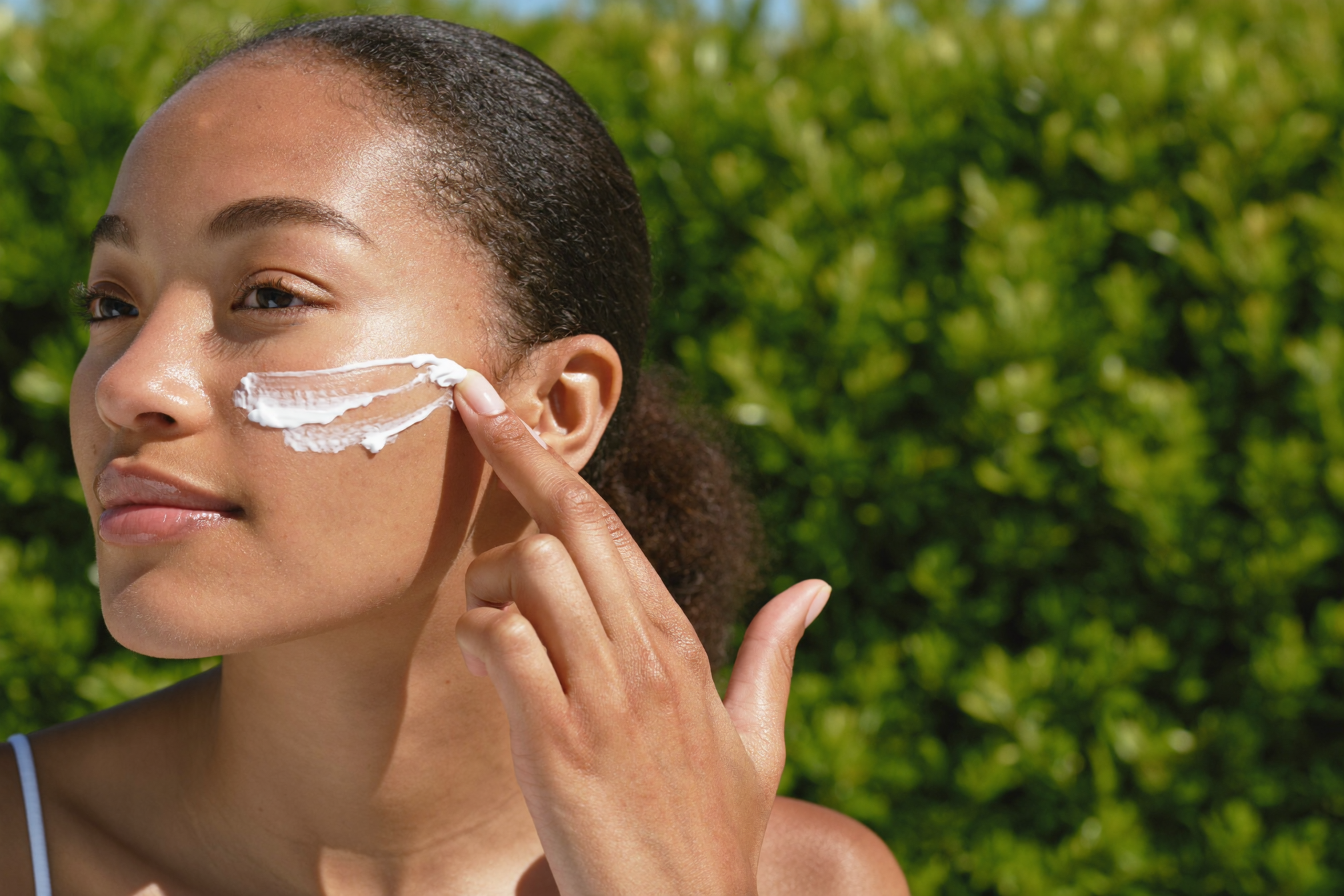
Korean skincare is built on prevention, hydration and repair rather than aggressive bleaching. Instead of stripping the skin, it supports the skin's own barrier so it can heal and even out over time.
The approach is simple: layer lightweight products, keep the skin barrier strong, use brightening ingredients consistently, and protect with SPF every day. This is why it fades pigmentation gently, with far less risk of the irritation that can actually make dark spots worse.
The step by step Korean routine
Consistency matters more than intensity. Here is the routine that does the work.
1. Cleanse gently
Start with a mild cleanser that lifts dirt and sunscreen without stripping the skin. Over-cleansing can irritate skin and worsen pigmentation. At night, double cleanse if you have worn SPF or makeup, using an oil-based cleanser first, then a gentle foam.
2. Exfoliate 2 to 3 times a week
Light exfoliation clears the dead surface cells that hold onto pigment. Use a gentle AHA for brightening or a BHA if you are acne-prone. Do not overdo it. More than a few times a week can trigger irritation and, ironically, more dark spots.
3. Hydrating toner
A hydrating toner rebalances the skin and helps your treatment products absorb. Look for ingredients like hyaluronic acid or rice extract to prep the skin.
4. Brightening treatment (the most important step)
This is where dark spots fade. The most effective K-Beauty brightening actives are niacinamide, vitamin C, tranexamic acid, kojic acid and alpha arbutin. They work by slowing melanin production and gradually lightening the marks you already have. Apply your treatment before moisturiser.

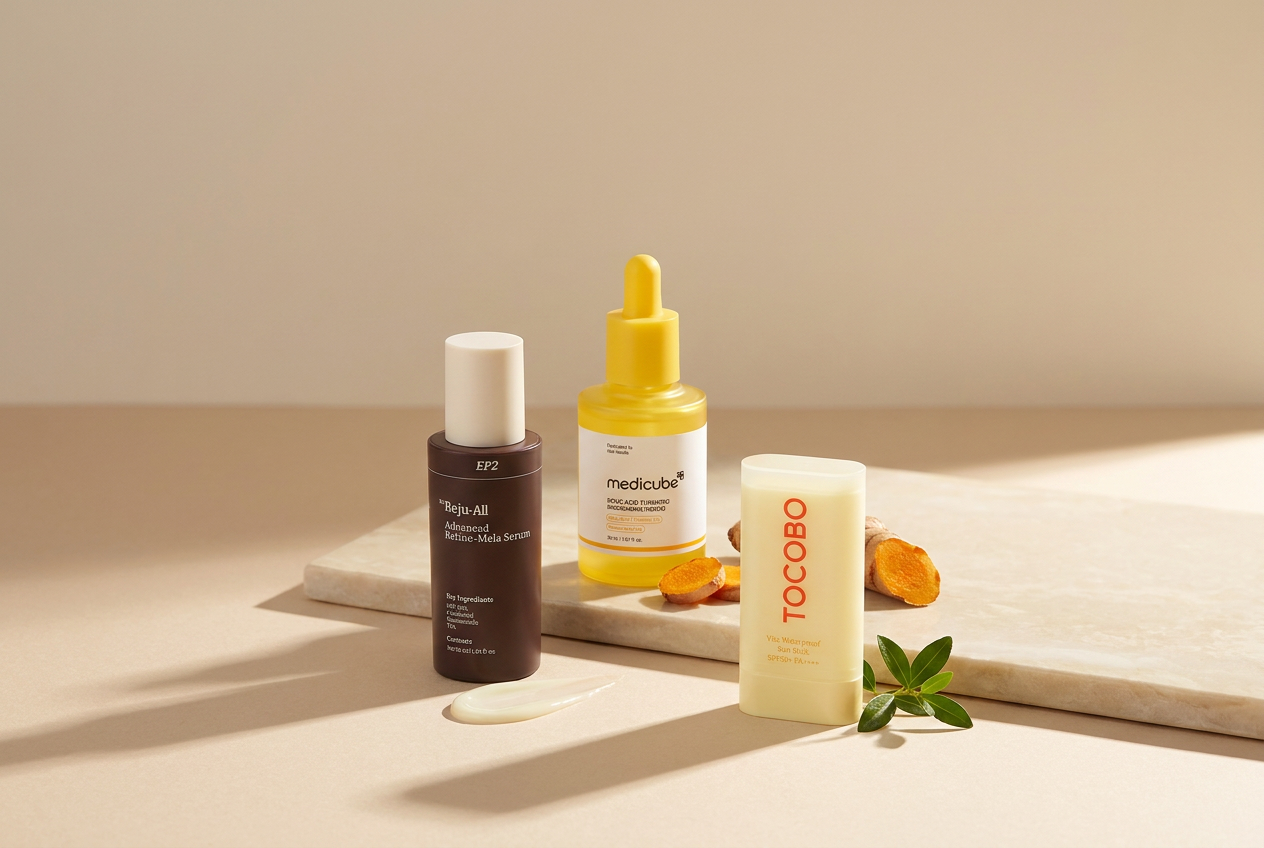
A clinically tested daily serum that pairs kojic acid, turmeric and niacinamide to help fade dark spots and even out tone.
For stubborn or long-standing pigmentation, a stronger evening treatment that pairs a retinoid with tranexamic acid can speed things up. Introduce it slowly, two to three nights a week to start.

An evening serum combining a next-generation retinoid with tranexamic acid and niacinamide to target stubborn hyperpigmentation.
5. Moisturise
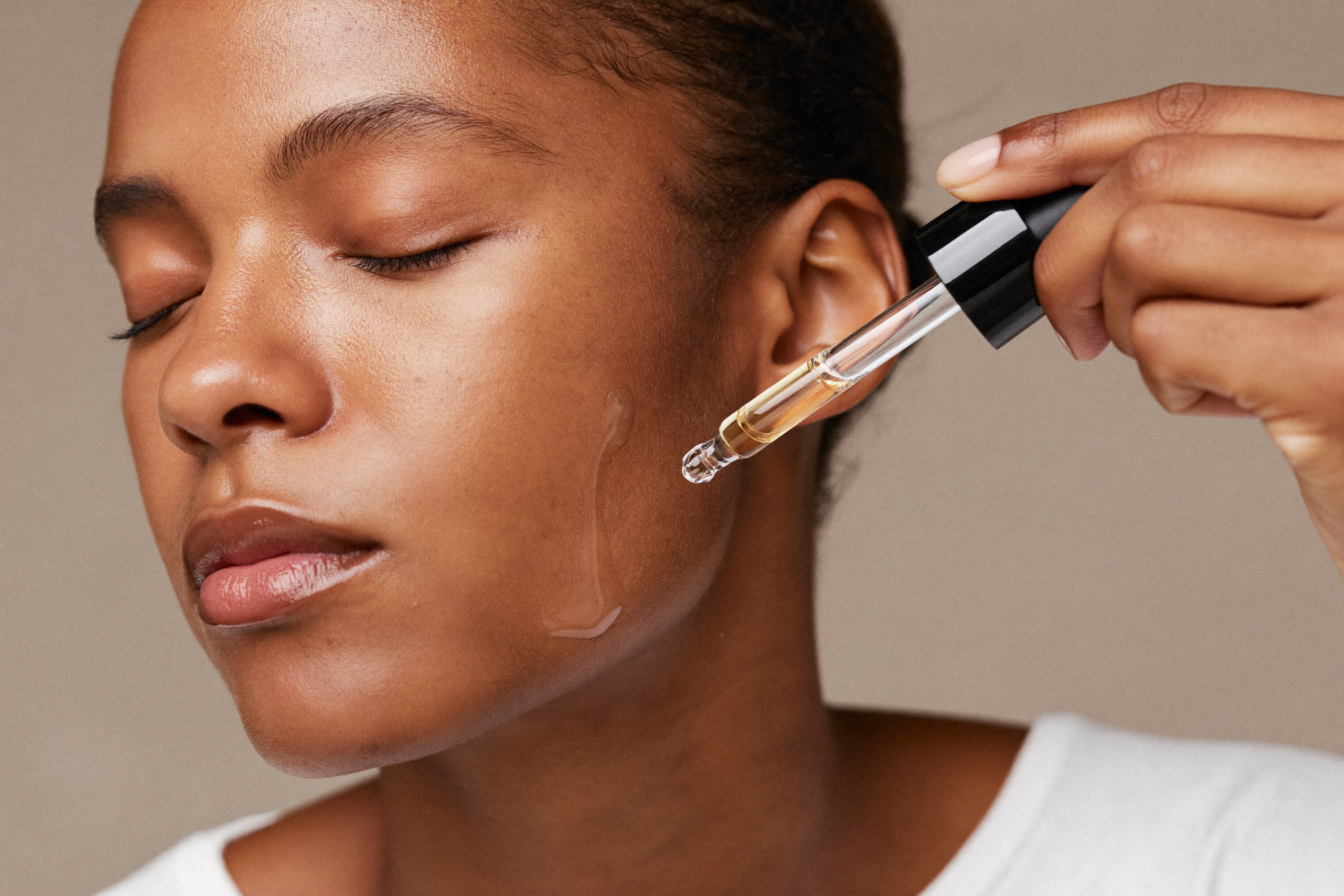
A good moisturiser locks in hydration and keeps the skin barrier strong, which helps skin recover and reduces the discolouration that irritation causes. Choose a non-comedogenic formula if you are acne-prone. A vitamin C moisturiser is a smart way to layer brightening into this step.

A brightening moisturiser with 22% vitamin C to even out tone and lock in hydration in one step.
6. Sunscreen every single morning
This is the step that decides whether your results last. Without SPF, dark spots return or deepen. Use SPF 30 or higher every morning, even on cloudy days, and reapply every 2 to 3 hours when you are outdoors. Given our SA sun, a brightening SPF that is easy to reapply through the day makes this far easier to stick to.

A waterproof brightening sun stick with niacinamide and vitamin complex. Easy to reapply over makeup through the day.
The best K-Beauty ingredients for dark spots
Korean brightening relies on gentle, well-studied actives. Here is how the main ones compare.
| Ingredient | What it does | Best for |
|---|---|---|
| Niacinamide | Slows the transfer of pigment and evens tone | All skin types, beginners |
| Vitamin C | Brightens and protects against future damage | Dullness and daytime protection |
| Tranexamic acid | Targets existing stubborn dark spots and melasma | Long-standing pigmentation |
| Kojic acid | Reduces melanin production | Uneven tone and dark spots |
| Alpha arbutin | Fades spots by slowing melanin directly | Targeted spot treatment |
| Centella asiatica | Calms irritation and supports healing of marks | Sensitive and acne-prone skin |
These work best used consistently over 6 to 8 weeks. You do not need all of them at once. Two or three that suit your skin will do more than a crowded shelf.
Common mistakes to avoid
Most slow progress comes down to a few habits: using too many active ingredients at once, skipping sunscreen, picking at pimples, and switching products every few weeks before they have had time to work. Consistency beats product overload every time. Pick a simple routine and give it two months.
How long does it take to fade dark spots?
Fading takes patience. Lighter, newer marks often improve in 4 to 6 weeks, while deeper or older pigmentation can take 8 to 12 weeks or more of daily use. Tranexamic acid in particular tends to show its results closer to the 8 to 12 week mark. The two things that decide your outcome are daily consistency and never skipping SPF.
When to see a professional
If your dark spots are very dark, spreading, or have not budged after a few months of a consistent routine, see a dermatologist. Treatments like chemical peels or laser can help, and a professional can rule out anything that needs medical attention. If a spot changes shape, colour or size, have it checked promptly.
Final thoughts
Dark spots respond well to the right approach. A gentle, consistent Korean routine that brightens by day and treats by night, protected with daily SPF, is the safest path to more even-looking skin. Build the routine, give it time, and protect your results from the sun.
Frequently asked questions
Can dark spots fade completely?
Many dark spots fade significantly with consistent skincare and daily SPF. Newer marks often clear well, while deeper pigmentation may lighten rather than disappear entirely and can take several months.
What is the fastest ingredient for dark spots?
Niacinamide and vitamin C tend to show visible brightening soonest, often within a few weeks. Tranexamic acid works well on stubborn spots but usually takes 8 to 12 weeks.
Can I fade dark spots naturally?
Gentle ingredients like centella asiatica and liquorice root extract can help soothe and support even tone, but results are slower than with proven actives like niacinamide, vitamin C or tranexamic acid.
Do I need sunscreen if I stay indoors?
Yes. UV rays through windows and, to a lesser degree, blue light can still affect pigmentation. In South Africa's high-UV climate, daily SPF is the single most important step for keeping dark spots from returning.
How often should I use a brightening serum?
Most brightening serums can be used once or twice daily depending on your skin's tolerance. Start once a day, see how your skin responds, then build up.
Ready to fade those dark spots?
Build a gentle, effective brightening routine with K-Beauty made for South African skin and sun.
Shop the brightening range →Authentic Korean skincare, delivered across South Africa.
Leave a comment